

Discover the Majestic Mountains
Explore Pakistan's most iconic peaks with expert guides
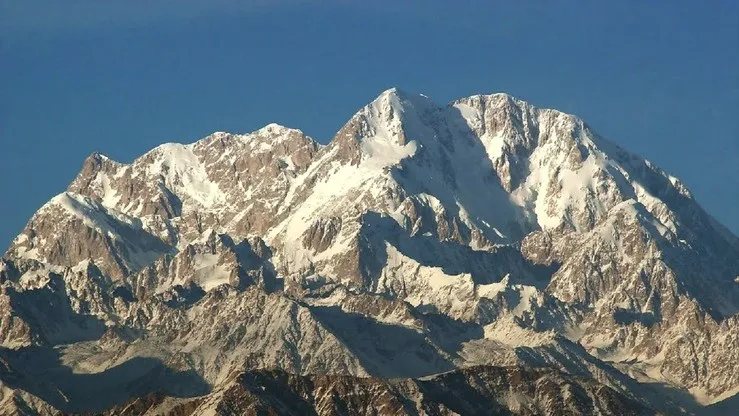
Tirich Mir Hindu Kush Expedition
Tirich Main peak (7,708m) was first climbed in 1950 by a Norwegian expedition.
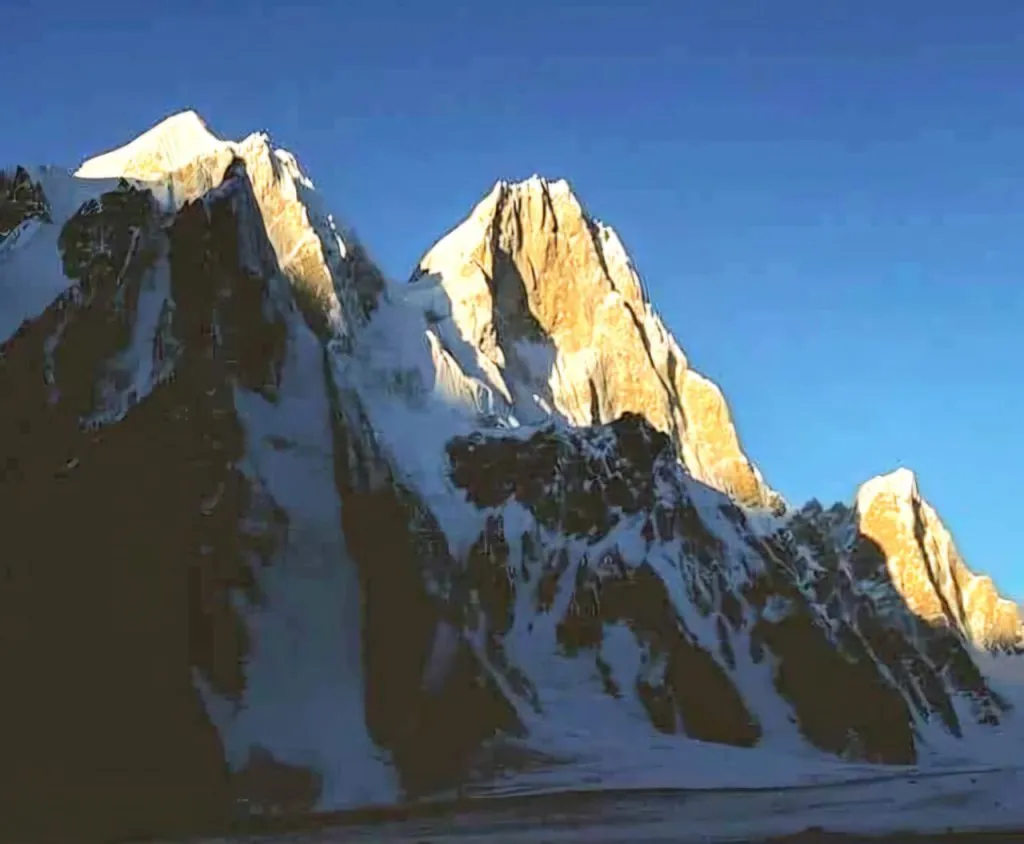
Latok Ogre Peak Expedition
Latok group is a small cluster of dramatic mixture of ice and rock in the Karakoram range.
Chogolisa Peak Expedition
Chogolisa (Bride Peak) has several peaks reaching 7,665m in the Karakoram range.

K6 & K7 Expedition
K6 also known as Baltistan Peak is in Mashubrum area of the Karakoram range.

Spantik Peak Expedition
The Spantik, also called the Golden Peak, is part of the Karakoram mountain ranges.
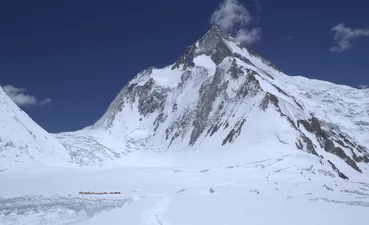
Gasherbrum Mountains Expedition
Safety is our utmost priority during your Gasherbrum expedition in the Karakoram.
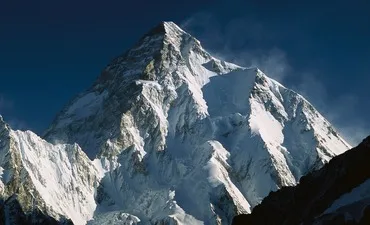
K2 Expedition Pakistan
K2 Expedition is considered to be one of the top mountaineering adventures in the world.

Broad Peak Expedition
Broad Peak is the world's 12th highest mountain and one of the easier 8,000 meter peaks.
Select Our Best Popular Itineraries
Carefully curated adventures for every kind of explorer
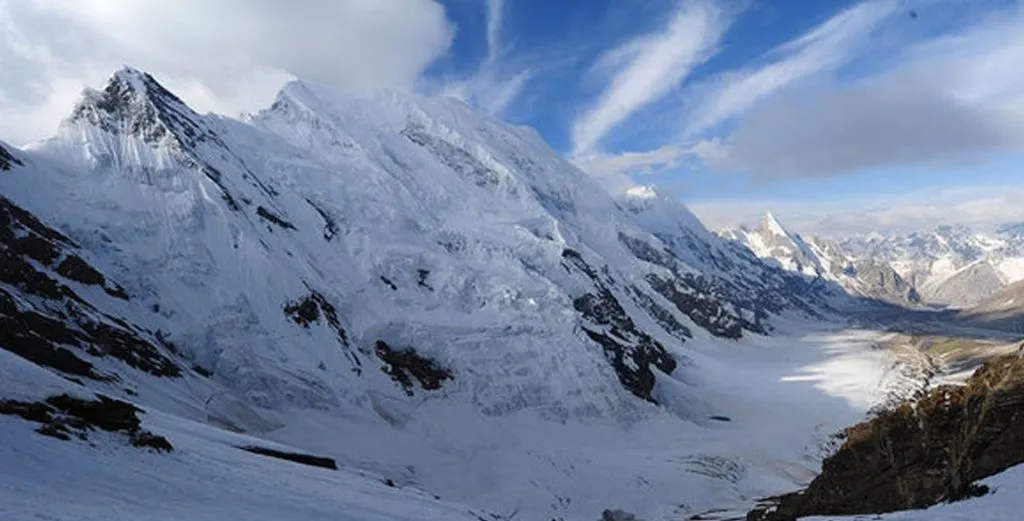
Ski Tours in Pakistan
Experience the thrill of skiing in the majestic mountains of Gilgit-Baltistan region.
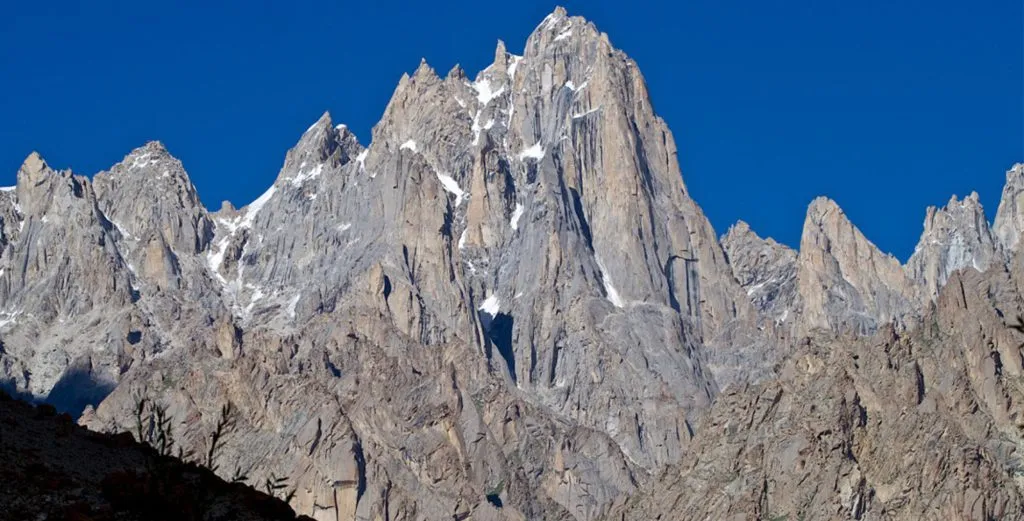
Kondus Valley Expedition
Alpine Adventure Guides Pakistan offering some of the best adventure rock climbing expeditions.

Laila Peak Hushe Valley
Experience the thrill of conquering Laila Peak in Hushe, Pakistan with expert guides.
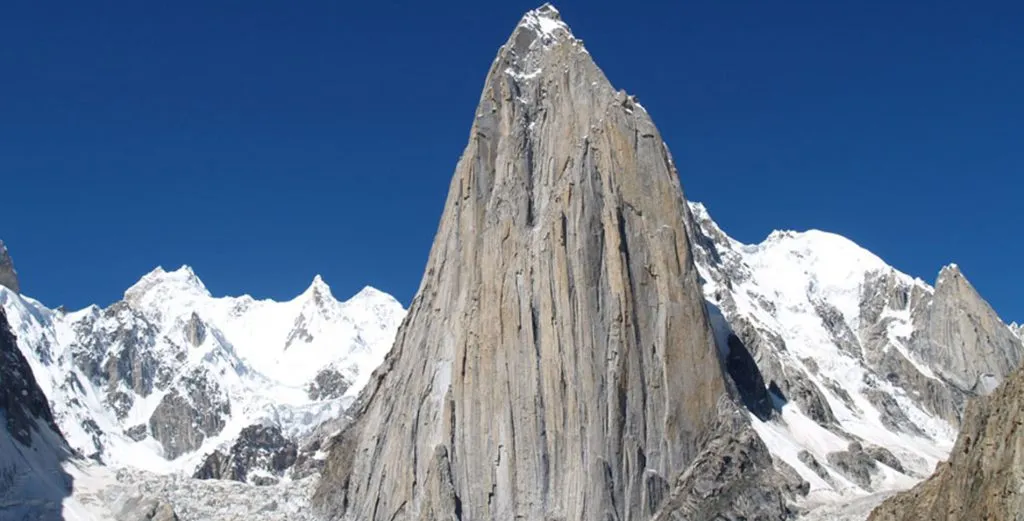
Shipton Spire Expedition
Shipton Spire is a popular rock tower, like a pencil, three miles across from Trango.
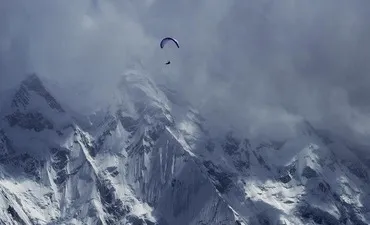
Paragliding in Pakistan
Pakistan has breathtaking flying sites in the North with extensive mountain ranges.
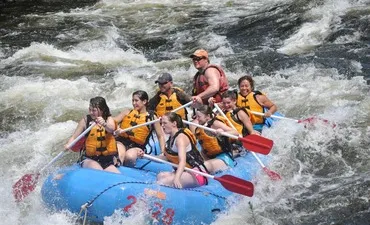
Rafting and Kayaking
Alpine Adventure Guides Pakistan offers various opportunities for white water rafting.
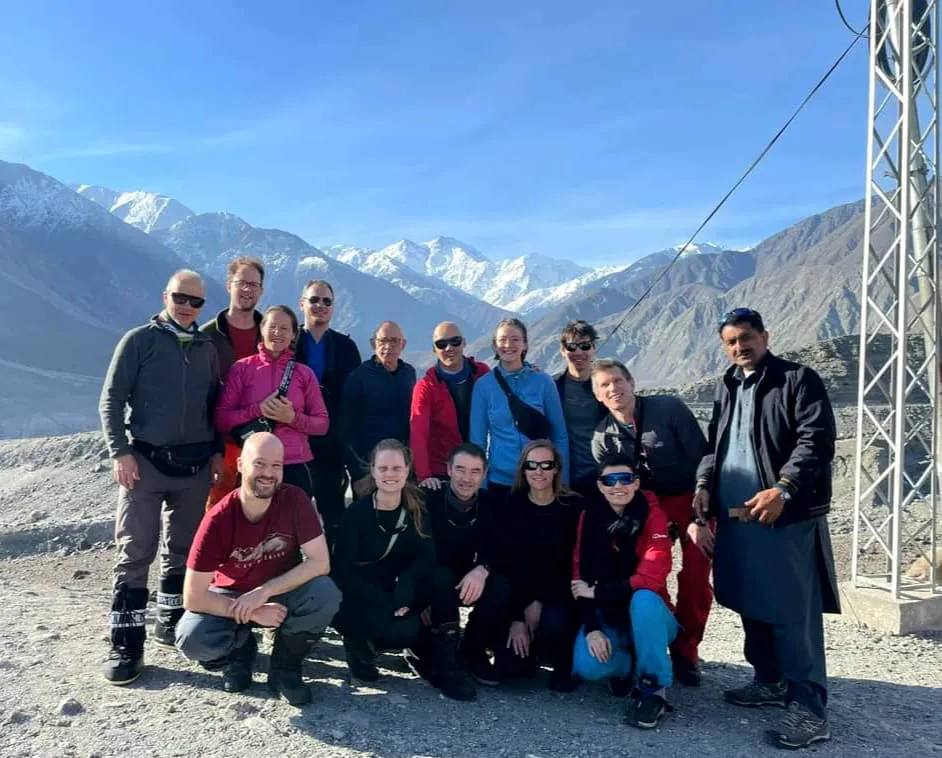
South and North Pakistan Tour
Wandering through Southern Pakistan's Indus River Valley from Karachi to the North.

Trango Tower Expedition
Embark on an awe-inspiring journey to conquer Trango Tower and Nameless Tower.

Amin Brakk Nangmah Valley
Amin Brakk Nangma valley is one of the most well known and beautiful valleys in Pakistan.

Snow Lake Trek
Snow Lake Hispar La trek in Pakistan is one of the most scenic high-altitude treks.

K2 Base Camp Trek
The K2 Base Camp Trek is situated in the breathtaking Karakoram mountain range.

Fairy Meadows & Hunza Tours
Chitral is famous for Kalaash Culture and its natural beauty in Northern Pakistan.
Our clients Testimonials what they're talking about our Services
In 2013 I took part in the expedition to Gasherbrum II. The expedition was organized by Ali Muhammad, the owner of Alpine Adventure Guides Pakistan. Our offer included all services Islamabad-BC-Islamabad with full board in the BC. I can recommend Ali as a responsible, reliable, helpful and trustworthy partner. He is always ready to solve all problems which might occur on the way. Ali provided us a very good cook and his assistant who prepared meals in the BC. He can give you most of the up to date information about climbing routes, route conditions, statistics and any other special details since he is a climber by himself and knows the region very well. All necessary papers before and after the expedition were prepared in time. So Ali would be happy to help you with your expedition in all possible ways, don't hesitate to ask him.
 Sukhanova Olga
I went to Pakistan for the first time in 2008. When we discover this country, this people, these smiles, these high and beautiful summits of the planet, we can only go back… I met Ali and his agency Alpine Adventure Guides in 2013. He organized all the logistics for us to reach the Nanga Parbat base camp in winter, and stay there for the duration of the expedition. Everything was just perfect: the atmosphere, the equipment, the timing, the food… everything was in place to ensure that the expedition was smooth and went smoothly. We only had to focus on our goal, without stress since the logistics were managed with a master's hand.
 Elisabeth Revol
Я рекомендую Али Мухамад и его компанию после моего треккинга к К2 в Августе 2016 г. Хорошая организация логистики благодаря Али. Палатка и питание входит в стоимость треккинга, приготовлением пищи занимается команда Али. Мулы используются для переноса тяжелых вещей. С собой несете только легкий рюкзак, бутылку воды и фотокамеру. Внимательное отношение к клиенту, готовность изменить маршрут, сделать его индивидуальным. Спокойные и доброжелательные люди, к русским и иностранцам хорошее отношение.
 Роман Мельников
Founder & CEO of XpeedStudio
Роман Мельников
Founder & CEO of XpeedStudioI have known Ali Muhammad Saltoro and his tour company, Alpine Adventure Guides Pakistan for two years in both a personal and professional capacity. As leader and founder of the Karakoram Anomaly project, my team and I had worked with Alpine Adventure Guides to add to the understanding of the glaciers' behavior and the risk they present to people living in the region, particularly in respect to the risk of glacial lake outburst floods. The Karakoram Anomaly project comprised a complex two-month expedition into the heart of the remote Central Karakoram.
 Sergiu G. Jiduc BSc, MSc
Traveling with Alpine Adventure Guides Pakistan was a great experience - they took care of all my needs in a professional manner and the trip went off without a hitch - I highly recommend them as a provider.
 Randall L. Peters
Dear Ali Muhammad Saltoro, I would like to thanks you for your engagement to organize my expedition in Karakorum. I have appreciated your love for adventure and for the alpinist whom want to climb the highest mountains. Your support and your professional allow us to be focused on climbing and mountains and lift your organization the logistics. Every unexpected situation you had managed quickly and whit your max power. Thanks for your great job.
 Nardi Daniele
Ali Saltoro and his team at Alpine Adventure Guides Pakistan are second to none. I was part of an expedition team living and working on a remote glacier in North East Pakistan for two months; a remote and hostile place. The expedition simply could not have happened without Ali and his team at the helm. From logistical organization, to safety, to best tasting food I have ever eaten at a base camp. Every aspect is covered, nothing is too much trouble and Ali has an incredible network of people, both within and outside the country, to make things happen fast. I will be returning to Pakistan in the near future to attempt my second 8000m peak and I look forward to working with Ali and AAG again.
 Tim Taylor
I highly recommend Ali Saltoro and his company if you are interested in doing a mountain climbing or trekking expedition. He is very organized, perfectly arranging all of the logistics for my team's two month trip to the Gilgit Baltistan region. Jeff Wright and I successfully summited K6 Central in the Nangmah valley, making the first ascent of this peak. The base camp team that Ali had put together for us, made sure we were well taken care of Our trip from Geneva to Skardu was probably one of the fastest in history, as we didn't even leave the Islamabad airport, before flying out to Skardu with Ali. He arranged for our excess luggage to be driven along the Karakoram Highway to meet us in Skardu, and provided everything we needed for a deluxe basecamp, covering kitchenware, solar panels, communication devices, helicopter rescue deposit
 Yugala Priti Wright and Jeffrey Thomas Wright